
Feature Photo Credit: Burst
Every January brings with it the same familiar rituals: resolutions, resets, promises to be better, lighter, cleaner. For many, that includes Dry January. A full month without alcohol, framed as a detox, a discipline, a fresh start.
This year, though, I’m not doing Dry January.
Not because I drink excessively. Not because I’m resistant to change. Simply because alcohol has never been a big part of my life in the first place. I drink occasionally, thoughtfully, and usually socially. And that has led me to a different question — not whether we should stop drinking for one month, but how we drink during the other eleven.
Because the real story isn’t just about abstaining. It’s about what happens when we don’t drink too much, consistently, over time.
What Damp January Is — and Why It Matters
A recent concept gaining traction is “Damp January.” Rather than completely abstaining, it encourages people to cut down mindfully — with flexibility and intention — rather than adopting an all-or-nothing mindset.
Instead of refusing every drink, people set personal limits, think consciously about why they drink in the first place, and choose intentional consumption instead of automatic habits. This approach aims to make reduced drinking more sustainable and less intimidating, and research suggests that even reducing intake can lower health risks tied to alcohol.
In other words: You don’t need to go completely dry to benefit — you just need to drink less overall. For many people this approach leads to healthier habits that last well beyond January.
Dry January vs. Long-Term Health
Dry January exists for a good reason. It began as a public health initiative, a way to reset after December excess and bring awareness to drinking habits. For many people, it works. A month without alcohol can improve sleep, reduce inflammation, and give the liver a break.
If you want support for January, or beyond, Alcohol Change UK offers a range of practical tools and guidance through its Dry January programme. Their website provides tips for cutting back, advice on setting realistic goals, and resources to help you reflect on your relationship with alcohol in a positive, non-judgemental way. Whether you’re aiming for a month off, reducing your intake, or simply becoming more mindful, support is available to help you make informed and sustainable choices.
The most significant physiological health benefits are achieved through sustained, long-term reductions in alcohol intake; however, most alcohol-related harm is dose-dependent and cumulative. In other words, it’s not just binge drinking that matters — it’s the total amount consumed over months and years. Our bodies respond far more to consistency than to short bursts of perfection.

What Alcohol Really Does to the Body (Even in Moderation)
Alcohol is not a neutral substance or a social lubricant —it affects almost every major system in the body. These effects accumulate with repeated consumption, even when drinking is moderate. Here’s how:
The Liver: Your Primary Detox Organ
The liver metabolises over 90% of the alcohol you drink. It does this in three stages, producing acetaldehyde as an intermediate — a highly toxic compound that damages proteins, DNA, and cell membranes. With regular drinking:
- Fat accumulates in liver cells (fatty liver disease)
- Inflammation increases (alcoholic hepatitis)
- Long-term fibrosis and cirrhosis can develop
Even drinking within “moderate” guidelines increases liver fat and inflammatory markers. When alcohol intake is reduced, studies show:
- Liver fat decreases within weeks
- Inflammatory enzymes fall
- Normal metabolic function begins to recover
This is why moderation matters more than short-term abstinence.
The Brain: Dopamine, GABA, and Long-Term Mood
Alcohol exerts its effects on the brain by directly altering key neurotransmitters. It increases GABA, producing sedation and relaxation, suppresses glutamate, which impairs memory and learning, and triggers dopamine release, reinforcing reward pathways.
Over time, with repeated exposure, the brain adapts to these chemical shifts by:
- Reducing natural dopamine sensitivity
- Increasing baseline anxiety when sober
- Requiring more alcohol for the same effect
This neuroadaptation is why frequent drinking is associated with:
- Higher rates of anxiety and depression
- Reduced baseline pleasure
- Impaired concentration and memory
When drinking is reduced:
- Dopamine sensitivity recovers
- Anxiety levels fall
- Cognitive performance improves
These changes occur gradually — and persist only with long-term moderation.
Sleep Architecture and the Nervous System
Although alcohol is often used as a sleep aid, it is physiologically a sedative rather than a true sleep promoter. Research consistently shows that alcohol suppresses REM sleep, increases nighttime awakenings, raises heart rate overnight, and activates the sympathetic nervous system. Even one or two drinks can reduce overall sleep quality by 20 to 40 per cent.
Chronic disruption of REM sleep is linked to:
- Impaired memory consolidation
- Reduced emotional regulation
- Increased cardiovascular risk
Reducing alcohol intake leads to:
- Longer REM phases
- Lower nocturnal heart rate
- Improved circadian rhythm stability
Better sleep is one of the earliest and most robust benefits of drinking less.

Hormones, Blood Sugar, and Metabolism
Alcohol interferes with glucose regulation through several pathways. It impairs insulin sensitivity, increases the risk of nocturnal hypoglycaemia, and disrupts appetite hormones such as leptin and ghrelin. This combination contributes to late-night eating, increased abdominal fat storage, and energy crashes the following day.
Long-term moderate drinking is associated with:
- Higher risk of metabolic syndrome
- Increased visceral fat
- Elevated triglycerides
When intake is reduced:
- Insulin sensitivity improves
- Blood sugar stabilises
- Fat metabolism normalises
These effects are cumulative and dose-dependent.
Inflammation, Immunity, and Aging
Alcohol is a pro-inflammatory substance. It increases gut permeability, raises systemic inflammatory cytokines, and generates oxidative stress and DNA damage.
Chronic low-grade inflammation is linked to:
- Cardiovascular disease
- Autoimmune conditions
- Neurodegeneration
- Accelerated biological aging
Even moderate alcohol intake increases markers like:
- C-reactive protein (CRP)
- Interleukin-6
- TNF-alpha
Reducing alcohol lowers these markers and improves immune resilience.
Cancer Risk: The Most Overlooked Effect
One of the most important — and least discussed — facts about alcohol is that it is classified as a Group 1 carcinogen. There is no known safe threshold for cancer risk.
Alcohol increases the risk of at least seven cancers, including:
- Breast
- Liver
- Oesophageal
- Colorectal
- Head and neck
The mechanism is primarily through acetaldehyde, which damages DNA and impairs DNA repair mechanisms.
Risk increases linearly with consumption — even low levels increase lifetime cancer risk. This is one of the strongest scientific arguments for moderation.
Why Moderation is Better Than Extremes
From a biological perspective, the body responds best to consistent reductions, not intermittent abstinence followed by rebounds.
Long-term moderate drinking leads to:
- Lower cumulative acetaldehyde exposure
- Reduced lifetime inflammatory burden
- Improved metabolic stability
- Lower cancer risk trajectory
Short-term abstinence is beneficial. Long-term moderation is protective.
Alcohol’s relationship with dopamine is one of the most overlooked aspects of drinking. Each drink creates a small dopamine spike — a reward signal. Over time, frequent stimulation dulls baseline pleasure, making everyday experiences feel flatter. Reducing drinking, even slightly, allows the brain to recalibrate.
People often notice:
- More stable motivation
- Less reliance on alcohol to unwind
- Increased enjoyment of simple things
- Improved focus and creativity
This isn’t about deprivation. It’s about restoring sensitivity.

What Drinking Less Actually Does to Your Body
Reducing alcohol intake, even without complete abstinence, can produce wide-ranging and lasting health benefits. Drinking less allows sleep patterns to stabilise, leading to deeper, more restorative rest and better daytime focus. Lower alcohol consumption also helps regulate the nervous system, reducing cortisol spikes that can contribute to anxiety, irritability, and low mood.
From a physiological perspective, moderation gives the liver more capacity to carry out essential metabolic functions, supporting long-term liver health and reducing inflammation. It also improves insulin sensitivity and appetite regulation, which can lead to steadier energy levels, fewer cravings, and more intuitive eating patterns.
Over time, reduced alcohol intake lowers chronic inflammation in the body — a key factor in cardiovascular health, immune function, and healthy ageing. Collectively, these benefits accumulate through consistency, showing that meaningful change comes from drinking less, more mindfully, rather than complete abstinence.
A Cultural Shift Worth Noticing
One of the most encouraging shifts in recent years is that drinking less no longer means disengaging socially. Alcohol-free and low-alcohol options are now well crafted, flavour-led, and designed to be genuinely enjoyable, making moderation feel like a positive choice rather than a compromise.
This cultural change creates space to talk about quality, intention, and experience — not labels or restriction. Instead of defining choices as “sober” or “dry,” the focus moves to something far more relevant and personal: how people want to feel the next day.
MY BRAND RECOMMENDATIONS
One of the biggest shifts in recent years is the quality of alcohol-free alternatives. Choosing not to drink no longer means settling for sugary soft drinks or feeling like the odd one out. There is now a genuinely exciting world of alcohol-free options that feel considered, complex, and grown-up. This year, I’m leaning into that, not as substitutes, but as drinks in their own right.
Clean Co
I’ve been reaching for Clean Co when I want something that mirrors classic spirits without the alcohol. Their alcohol-free gin is crisp, clean, and perfect with tonic and citrus, while their rum alternative (Clean R), which brings warm spice, golden caramel and aromatic notes work beautifully in longer, spiced drinks — imagine a rum cocktail with citrus, mint or ginger that still feels rich and rounded despite having 0.0% ABV.
What I appreciate most is how CleanCo strives to mirror the rituals of classic drinking, not just the flavours. The spirits are designed to be mixed like you would their alcoholic counterparts, meaning you can enjoy a familiar serve — whether that’s a tall mixed drink or a classic cocktail — without losing the structural balance and character you expect from quality spirits.

Beyond taste, CleanCo also places a clear emphasis on sustainability and thoughtful design. They’ve redesigned their iconic hexagonal bottles to be significantly lighter and less resource-intensive to produce, which cuts energy use by about half compared to their previous packaging. This redesign reduces transportation needs, saves wood and lowers carbon emissions — and they’ve even introduced eco-friendly packaging like fully compostable, plastic-free Flexi-Hex sleeves to protect bottles in transit.
Dry Drinker
When I want variety, I turn to Dry Drinker — a dedicated marketplace that brings together an extensive, curated selection of alcohol-free beers, wines, ciders, spirits and even kombuchas all under one roof. Rather than hopping between specialist shops, breweries and wine retailers, Dry Drinker lets you browse and compare everything in one place, from crisp lagers and hoppy IPAs to sparkling wines, botanical spirits and seasonal mixed cases.
The way the site is organised makes discovery part of the fun: you can explore by drink style, browse curated mixed cases, or even build your own “pick & mix” box so every order feels like a personalised tasting journey. This approach takes the effort out of searching for new alcohol-free favourites — especially if you like experimenting with different flavours or pairing drinks with meals.

Three Spirit Drinks
Three Spirit Drinks have become a favourite for evenings when I want something more functional. Their botanical blends are designed around mood and moment, using adaptogens and nootropics to create drinks that feel grounding or uplifting depending on the occasion.
These drinks are the product of a very intentional process: crafted by a team of plant scientists, world-class bartenders and herbalists, each botanical elixir is developed using extraction techniques like maceration, fermentation and distillation to draw out active plant compounds that contribute both flavour and function. This focus on the functional potency of plants gives them a depth and complexity you don’t usually find in typical non-alcoholic alternatives.
For example, a bottle like Social Elixir combines ingredients like lion’s mane (a mushroom associated with cognitive support), yerba mate and damiana (traditionally used to ease the mind and foster connection), resulting in a layered, bittersweet profile that feels both robust and mood-elevating. Sip it neat over ice or lengthened with tonic for a drink that feels sociable without the need for alcohol.

What makes Three Spirit even more compelling is that they’re a Certified B Corp, committing to environmentally and socially responsible practices across their sourcing, production and business operations. That ethos — pairing well-being with sustainability — adds an extra layer of appeal for evenings when I’m not just thinking about flavour, but about how my choices reflect my values too.
Wild Idol
Wild Idol brings something softer, shimmering, and truly celebratory to the world of alcohol-free drinks — especially for occasions where you want to raise a glass and feel like you’re part of the moment. Their naturally alcohol-free sparkling Rosé and White options are handcrafted using traditional winemaking techniques from carefully selected grapes, producing elegant, fine bubbles and rich aromatic profiles that genuinely feel like a premium wine experience without the alcohol..

What makes Wild Idol feel special for dinners or memorable moments is how balanced and sophisticated these drinks are: they’re vegan, gluten-free, low-calorie and naturally alcohol-free, with no added sugar, so they don’t compromise on quality or experience — yet they sit lighter in the glass and on the palate.
Whether you’re toasting at a dinner party, marking an achievement, or simply enjoying a glass to complement good company and conversation, Wild Idol brings that effervescent elegance and raised-glass sensation without the aftermath. It’s the kind of drink that makes celebratory moments feel complete — still festive, still refined, but refreshingly gentle.
Lucky Saint 0%
I’m not really a beer person myself, but Lucky Saint 0% has become a firm favourite among my friends — and it’s one of the few alcohol-free beers I genuinely enjoy joining them for. It’s an unfiltered lager, which gives it more body and character than most 0% options, with a softly bready maltiness and gentle citrus hop notes that make it taste like a proper, classic beer rather than something thin or overly fizzy. It feels rounded and satisfying, the kind of drink you can nurse through a long catch-up without feeling like you’re missing out. Even for me, it feels familiar and comforting — easy to see why it’s their default fridge staple.

Erdinger Wheat Beer 0%
Erdinger Wheat Beer 0% is another one that’s won me over recently. It leans a little softer and more refreshing, with that classic wheat beer smoothness and a slightly malty, almost creamy finish. There’s something about it that feels nourishing rather than empty — light but substantial at the same time — which makes it especially good on warm days or alongside food. It’s less about “beer for the sake of beer” and more about a genuinely pleasant, thirst-quenching drink.

Von Buhl Zero Secco Alcohol-Free
For moments of pure celebration, I always reach for Von Buhl Zero Secco Alcohol-Free as my go-to sparkling choice. This alcohol-free secco — a lively, gently fizzy drink made from dealcoholised wine — has that bright, crisp character you want in a celebratory fizz, combining aromatic fruitiness with fine, persistent bubbles that make it feel genuinely festive rather than a watered-down alternative.
Pour it ice-cold and it greets the glass with zesty, citrus-driven aromas and a vibrant palate — think juicy grapefruit with light floral undertones and a mineral edge — making it feel joyful from the first sip. What’s particularly nice is the way the sweetness and acidity balance each other: it has enough body to feel substantial in the mouth, but remains refreshing and easy to enjoy without alcohol.
That combination of fresh, crisp bubbles, elegant fruit character and a dry-leaning profile means this secco works beautifully as an aperitif, complements light foods, and still holds its own when you’re raising a glass in a toast — whether at a dinner party, a casual brunch or a special occasion.
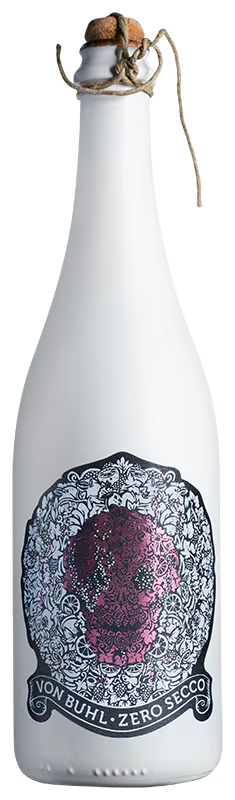
Celebratory drinks should feel like an event in themselves, and this one definitely delivers that — it feels special, festive and satisfying without making me feel like I’ve compromised on quality or experience just because it’s alcohol-free.
AND FINALLY....
So this year, I’m not chasing extremes or rigid rules. I’m choosing intention, balance, and drinks that feel good in the moment and even better the next morning. Let me know your thoughts!