
Feature Photo Credit: Nudie Jeans
I’ve always loved the idea that what we choose to wear tells a story, not just about our taste or personality, but about the kind of world we’re helping to shape (that’s why I love vintage so much). But the more I’ve learned about natural materials, the more I’ve realised how many of us have drifted away from the origins of the fabrics we pull over our heads each morning. Most wardrobes today are full of synthetics, essentially plastics spun into thread, washed in chemicals, shipped across continents, and worn only a handful of times before ending up in a landfill.
But it doesn’t have to be this way. There is a slower, softer, more considered way to dress. One that reconnects us with the earth, respects the people behind our clothes, and feels genuinely good on the skin. This guide is my attempt to bring us back to the fibres themselves, to understand what “natural” really means in a world where greenwashing is everywhere, and to make more conscious choices that are gentle on both planet and people. Let’s begin where everything begins: the material.
WHAT DOES ‘NATURAL’ REALLY MEAN?
We often hear the term “natural” used frequently, particularly in the fashion industry; however, this word conveys very little on its own. Natural fibres originate from plants or animals and, in theory, can decompose back into the earth at the end of their lifecycle. Yet, their sustainability hinges entirely on the methods used for growing, harvesting, processing, dyeing, and manufacturing.
For example, organic cotton is significantly different from conventional cotton. While bamboo can be cultivated sustainably, the process of converting it into fabric can be highly chemical-intensive. So the question isn’t simply “Is it natural?”, it’s “How was this material cared for from seed to seam?”. Understanding that difference is the foundation of conscious dressing.
ORGANIC COTTON
Cotton is one of the most commonly used fibres globally; however, many people are unaware that conventional cotton poses significant environmental risks. It depends heavily on pesticides, synthetic fertilisers, and extensive irrigation, which harm soil health and expose farmers to harmful chemicals.
In contrast, organic cotton presents a more sustainable choice. It is cultivated without harmful pesticides and relies more on natural rainfall, making it gentler on both the environment and the communities involved in its cultivation. Organic practices enhance soil nutrient retention and biodiversity, provide safer working conditions for farmers, and result in a final fabric that is softer and more breathable. While it still requires land and water, making it not entirely perfect, it is undoubtedly a much more compassionate option.
When I shop for organic cotton, I prioritise transparent certifications like GOTS, as these guarantee that both the growing and processing phases adhere to strict standards of safety, sustainability, and ethics.

LINEN
Linen possesses an almost enchanting quality for me. It is derived from flax, a remarkably resilient crop that flourishes in poor soil and requires surprisingly minimal water. For thousands of years, farmers in Europe have been cultivating flax, ensuring that every part of the plant is utilised, leaving nothing to waste.
What truly sets linen apart is its ability to improve over time. With each wear and wash, it becomes softer and gains a unique character. Naturally breathable, antibacterial, and wonderfully cooling, linen is perfect for warmer climates. Furthermore, when undyed, it is entirely biodegradable, making it one of the most eco-friendly fibres available. While high-quality linen may require an investment, its durability means it can last for decades when properly cared for. Opting for linen is a choice for longevity.
HEMP
Hemp is an ancient fibre that has seen a remarkable resurgence in recent years. It grows at an astonishing rate, requires minimal pesticides, and actually helps regenerate the soil where it is cultivated. Notably, it is one of the few fibres capable of removing toxins from the earth through a process known as phytoremediation, making it a significant ally in combating soil degradation.
Modern hemp fabrics are far softer than many may recall. Innovations in spinning techniques have rendered them comfortable, breathable, and ideal for everyday wear. Additionally, hemp’s durability ensures that the garments you purchase today will last for years rather than just a season. In many respects, hemp is the fabric that the future demands: renewable, low-impact and regenerative.

TENCEL & LYOCELL
If organic cotton, linen, and hemp are the timeless staples of natural fibres, then Tencel and other Lyocell fabrics serve as their modern, innovative alternatives. Tencel is produced from sustainably sourced wood pulp (often from eucalyptus) and is transformed into fibre through a closed-loop process that recycles nearly all of the water and solvents involved.
The outcome is a fabric that feels smooth and silky against the skin, allows for excellent breathability, and retains colour remarkably well. It is particularly beneficial for those with sensitive skin and is increasingly utilised in a variety of products, from denim to activewear. When shopping for Tencel, I always seek out the official trademarked name TENCEL™, as not all viscose or rayon fabrics adhere to the same sustainable closed-loop process.
WOOL & ALPACA
Natural animal fibres, such as wool and alpaca, offer remarkable warmth and durability, but they also necessitate a keen focus on animal welfare. High-quality wool effectively regulates temperature, resists odours, and can endure for decades. Alpaca is well-known for its exceptional softness and hypoallergenic properties, often produced with a significantly lighter environmental impact.
Nevertheless, when it comes to anything involving animals, transparency is crucial. Ethical certifications like RWS (Responsible Wool Standard) or ZQ-certified wool ensure that animals are treated with care and that the land they graze on is managed sustainably. When sourced responsibly, natural animal fibres rank among the most sustainable, repairable, and long-lasting materials available.

BAMBOO
Many of us believe that bamboo fabric is inherently sustainable due to its rapid growth and minimal water requirements. However, the reality depends on the process used to transform the plant into fabric. A significant number of bamboo textiles available today are produced through a chemically intensive viscose process that releases harmful toxins into the environment.
While sustainable bamboo options like bamboo lyocell do exist, they remain relatively uncommon. I always advise people to carefully examine the details and select brands that are open about their processing methods. This serves as a perfect illustration of how “natural” doesn’t always equate to sustainability.
BRAND RECOMMENDATIONS
What I appreciate most about natural materials is their versatility beyond just clothing. They are beginning to revolutionise home textiles, bedding, towels, insulation, packaging, children’s toys, and even plant-based leather alternatives. Gradually, we are rediscovering materials that biodegrade, feel pleasant against our skin, and help us reconnect with a slower, more grounded way of living.
A mindful wardrobe entails more than just making better purchases: it’s about nurturing our belongings with care. Natural fabrics flourish when treated with gentleness. Utilising cooler washes, air-drying instead of using a tumble dryer, promptly mending small snags, and opting for milder detergents can all contribute to extending the life of our garments. By caring for our clothes, we can break free from the fast fashion cycle and embrace the beauty of longevity.
To help you start your journey, here are some of the brands I love for their commitment to natural fibres and thoughtful design.
People Tree
People Tree is one of the pioneers of ethical fashion, People Tree has been championing organic cotton, handwoven fibres, and Fair Trade production for decades. They were the first fashion company to be awarded the World Fair Trade Organisation product label. Originally set up in Japan, they expanded their business to the UK in 2000. Their clothing feels like a reminder that fashion can be gentle, beautiful, and socially responsible all at once.

Eileen Fisher
Eileen Fisher is a masterclass in minimalism, longevity, and circular design. Their collections rely on organic cotton, linen, regenerative wool, and Tencel, all chosen for durability and softness.
Their take-back, repair, and resale programmes are among the most advanced in the industry, proving that “less but better” can transform fashion from the inside out. Whether through no-questions-asked mending, thoughtful refurbishment, or the seamless reintegration of returned pieces into resale streams, they’ve built a system that makes circular fashion feel both accessible and aspirational.

Kowtow
Kowtow is a New Zealand–based sustainable label committed to circular design, creating minimalist garments from ethically sourced materials like certified organic cotton and New Zealand Merino wool. Their slow 18-month production process ensures environmental responsibility and fair labour, with all clothing made in SA8000-certified facilities in India. Focused on reducing waste and designing clothes that last, Kowtow champions a fully transparent, regeneration-led approach to fashion.

ArmedAngels
Based in Germany, ArmedAngels blends effortless modern style with some of Europe’s strongest sustainability certifications. They use materials like organic cotton, regenerative wool, recycled fibres, and TENCEL™ Lyocell, and place radical transparency at the heart of their operations. Their street-style aesthetic is paired with rigorous ethical standards.

Thought Clothing
Thought Clothing has become a favourite of mine for everyday essentials; Thought creates timeless essentials using hemp, linen, organic cotton, Tencel, and responsible wool. Their designs are simple and versatile, encouraging wearers to build a wardrobe that lasts beyond trends. Thought’s commitment extends to low-impact dyes, plastic-free packaging, and a continual shift toward circular practices.

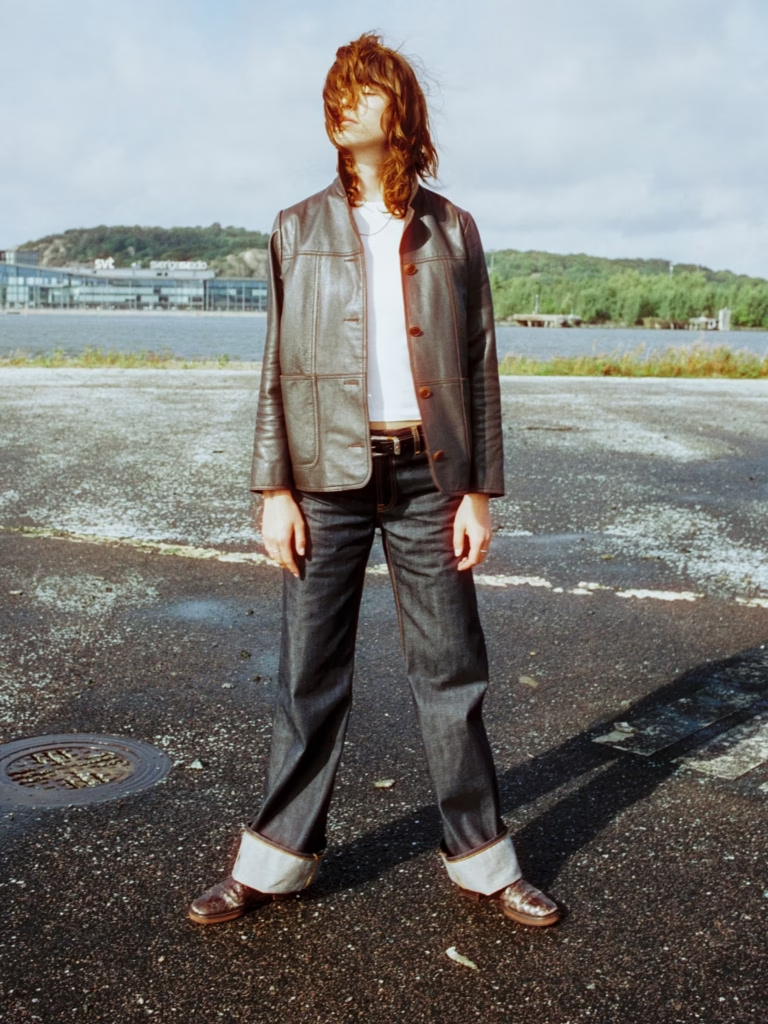
Nudie Jeans
Nudie Jeans is often highlighted as a strong example of how modern denim brands can embrace natural fabrics while committing to a fully circular approach. The company has built its identity around organic cotton, choosing to use 100% organic fibres in all of its denim and emphasising the idea that jeans should evolve with wear rather than be quickly replaced.
Their sustainability model extends beyond materials: Nudie encourages customers to keep jeans in use for as long as possible through free lifetime repairs, and they actively collect worn pairs to clean, mend, and resell as second-hand pieces or recycle into new fabric blends. This creates a loop where natural fibres are not only responsibly sourced but continually reused.creates denim using 100% organic cotton and champions longevity through its free lifetime repair programme. The brand promotes circularity with repair shops, recycling initiatives, and a commitment to keeping every pair in use for as long as possible.
Bam Bamboo Clothing
One of the few apparel companies successfully using truly closed-loop bamboo production, BAM has carved out a space as a leader in responsible activewear. Their pieces are soft, breathable, and naturally performance-oriented, offering all the stretch and comfort you’d expect from modern sportswear without relying heavily on synthetics or environmentally harmful processing.
What makes BAM stand out even more is their commitment to radical transparency. They openly share detailed information about their supply chain—from raw material sourcing to fabric processing to factory conditions—allowing customers to understand exactly how each garment is made.

B Label
B Label creates timeless, minimalist clothing using one of the world’s most sustainable fibres: hemp. As the fashion arm of Bombay Hemp Company (BOHECO), the brand champions low-impact production, natural dyes, and ethical craftsmanship. Their pieces are breathable, durable, fully biodegradable, and designed to reconnect fashion with nature.
As one of the world’s most sustainable natural fibres, hemp requires minimal water, grows without pesticides, enriches the soil, and yields a remarkably strong, breathable textile — qualities that B Label translates into timeless, minimalist garments meant for everyday wear. The brand emphasises a low-impact production process, pairing hemp with other natural fibres and using eco-friendly dyes that avoid harmful chemicals.

Outerknown
Created by surfer Kelly Slater, Outerknown blends style with sustainability through regenerative fibres, circular materials, and radical supply-chain transparency.
The brand was founded on the belief that clothing should be made with the same respect for the planet that Slater brings to the ocean, and that philosophy comes through in every collection. Outerknown prioritises durability from the design stage forward—focusing on hard-wearing fabrics, timeless silhouettes, and construction built to last.
They partner with certified factories, publish detailed information about their suppliers, and advocate for ethical working conditions across every stage of production. With each piece, Outerknown demonstrates that sustainability isn’t a marketing add-on but a holistic practice that shapes how their clothes are sourced, manufactured, worn, and eventually recycled.

Kotn
Kotn crafts everyday essentials from responsibly grown Egyptian cotton, partnering directly with local farmers to support fair wages, education, and regenerative agriculture practices that support soil health and long-term ecological balance.
Their commitment extends beyond raw materials: Kotn invests in community development through initiatives like building and funding schools in the regions where their cotton is grown, creating educational opportunities that strengthen local infrastructure for future generations. As a certified B-Corp, Kotn meets rigorous standards for environmental stewardship, labor ethics, and corporate transparency, holding itself accountable to a model of fashion that prioritizes people and the planet as much as the final product. The result is a line of minimalist, high-quality basics that feel luxurious yet remain deeply rooted in social responsibility and regenerative agriculture.
Related – Celebrating 10 Years of World Soil Day & B Corp Brands

A NOTE FROM THE EDITOR
SUZSTAINABLE sometimes uses affiliate links, whereby if you purchase an item using a link from this site, I earn a small percentage. For more information on affiliate links please see my affiliate policy.