
Sometimes travel changes the way you see a destination. Occasionally, it changes the way you see the world.
Volunteering with Project Borneo at Matang Wildlife Centre in Sarawak, Malaysian Borneo, did exactly that. I arrived hoping to learn more about wildlife conservation, but I left with a far deeper understanding of the challenges facing endangered species, the realities of animal welfare, and the role we all play in protecting our planet.
It was, without question, one of the most inspiring and meaningful experiences of my life.
A Warm Welcome from Day One
One of the things that immediately stood out was the warmth of everyone involved. From the moment we arrived, I felt as well looked after as the animals the team work so hard to protect.
After meeting us at our hotel, the Project Borneo team took us to a wonderful local restaurant where we met our fellow volunteers. It was the perfect opportunity to get to know one another while hearing from Leo Biddle, founder and CEO of Project Borneo, and the team about the conservation work we would soon become part of.
Rather than feeling like tourists, we immediately felt welcomed into a community.
The following morning, we were given money to buy groceries for the week before travelling together to Matang Wildlife Centre. Once there, we were shown around the centre before settling into the traditional longhouse that would become our home for the week.
Surrounded by rainforest and the sounds of wildlife, it was the perfect place to disconnect from everyday life and reconnect with nature.

Life as a Volunteer at Matang Wildlife Centre
Our days began at 8.15 am with a walk through the centre before starting our volunteer activities.
Every task had a purpose. Whether preparing enrichment, helping maintain enclosures or supporting the daily running of the centre, it quickly became clear that every contribution mattered. This wasn’t about taking photographs with wildlife or getting close to animals for entertainment.
Instead, it was about supporting their welfare while learning why responsible conservation must always put the needs of the animals first. That philosophy runs through everything Project Borneo does.

Conservation Is More Complex Than Most People Realise
Before volunteering, I understood the headlines.
Deforestation.
Habitat loss.
The illegal wildlife trade.
But seeing the consequences firsthand was something entirely different.
Many of the animals at Matang Wildlife Centre have experienced years of neglect, illegal captivity or exploitation. Others have lost their forest homes because of human activity. Hearing their individual stories was one of the most emotional parts of the week. At times, it was heartbreaking.
People can be unimaginably cruel, and it was difficult to hear what some of these animals had endured. Yet alongside those difficult stories came hope. Every animal represented another opportunity for rehabilitation, care and, where possible, a return to the wild.
Small Team. Huge Impact.
What impressed me most was the dedication of the Project Borneo team. They genuinely have hearts of gold.
Working with limited resources, they accomplish an extraordinary amount while never losing sight of what matters most: the welfare of every single animal. It reminded me that conservation isn’t only about funding or large organisations. It’s also about passionate individuals who choose, every single day, to make a difference.
Their commitment was nothing short of inspiring.
What Volunteering Taught Me About Sustainable Travel
Perhaps the biggest lesson I took away wasn’t just about wildlife. It was about making more informed choices. The experience made me think far more carefully about:
- choosing ethical wildlife experiences
- supporting responsible tourism operators
- understanding where our money goes when we travel
- protecting natural habitats
- reducing the environmental impact of tourism
- considering the long-term welfare of animals rather than short-term visitor experiences
Conservation isn’t something that only happens in remote rainforests. It starts with the everyday decisions we make at home. Volunteering with Project Borneo wasn’t just another trip—it completely changed how I think about wildlife conservation, ethical tourism and our responsibility towards endangered species.
While this article shares the overall experience and the lasting impact it had on me, it’s only part of the story. Behind every rescued orangutan, sun bear and gibbon is an enormous amount of daily work that most visitors never see.
Volunteering at Matang Wildlife Centre – Life Behind the Scenes
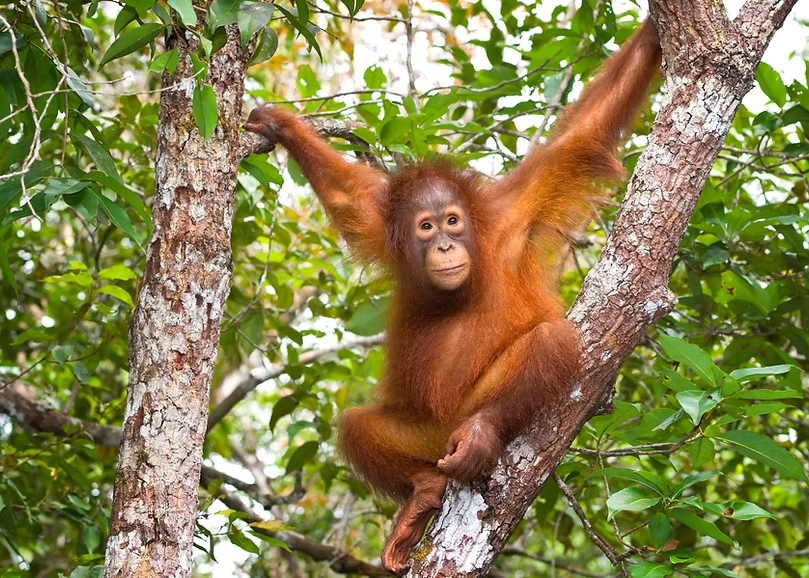
Our first full day at Matang Wildlife Centre began with something I’d been looking forward to since arriving – meeting the orangutans, but not in the way you might expect.
Before the centre opened to visitors, we entered one of the outdoor orangutan enclosures to prepare it for the morning. Rather than simply placing food in bowls, we hid fruit and vegetables throughout the climbing structures, encouraging the orangutans to search, climb and problem-solve to find their breakfast. This form of environmental enrichment is an important part of caring for animals in rehabilitation. It encourages natural foraging behaviours, keeps them mentally stimulated and helps prevent boredom and repetitive behaviours that can develop in captivity.
Watching the orangutans emerge and begin searching for their hidden treats was fascinating. They moved effortlessly through the ropes and platforms, carefully investigating every corner until they found each reward. It was a wonderful reminder that even small changes can make a huge difference to an animal’s daily life.

Husbandry – The Less Glamorous Side of Conservation
As volunteers, our days were split between husbandry tasks and creating enrichment for the animals.
Tuesday morning introduced us to one of the most important jobs at the centre – cleaning the orangutan enclosures. It’s certainly not the glamorous side of wildlife conservation, but it’s one of the most essential. Every enclosure had to be thoroughly cleaned, leftover food removed, surfaces scrubbed and fresh bedding prepared to ensure the orangutans had a safe, hygienic environment.
Working alongside the dedicated keepers gave us a real appreciation for the amount of work involved in caring for rescued wildlife. Looking after great apes isn’t just about feeding them; it’s about maintaining high welfare standards every single day.

Creating Enrichment
The afternoon was spent making enrichment items for both the orangutans and the rescued sun bears.
One of our tasks involved wrapping whole coconuts in thick sacking before sewing them securely shut. The coconuts were then placed into the enclosures, requiring the animals to work out how to tear through the fabric before reaching the reward inside. What seems like a simple coconut suddenly became an engaging puzzle.
We also made enrichment bags filled with dried leaves, seeds and nuts before sewing them closed. The different textures, smells and hidden treats encouraged the animals to explore using their incredible sense of smell and dexterity.
Another favourite activity was making frozen fruit lollies using pieces of fruit, carrots and orange juice. In the tropical heat of Borneo these provide both cooling relief and another opportunity for the animals to forage and work for their food.
These enrichment activities may appear simple, but they’re carefully designed to encourage natural behaviours such as climbing, tearing, manipulating objects and searching for food – all skills that are incredibly important for animals living in rehabilitation.

Helping the Sun Bears
Wednesday saw us swapping orangutans for another of Matang’s charismatic residents – the sun bears.
Our job for the day was repainting part of the sun bear enclosure. Although it wasn’t the most exciting task, maintenance like this is another important aspect of animal care. Safe, well-maintained enclosures help provide secure environments for the rescued animals while extending the life of the facilities.
It was rewarding knowing that even jobs involving paintbrushes rather than animals still contributed to improving their welfare.

The Quarantine Enclosures
Thursday took us into a different part of the wildlife centre.
We spent the morning cleaning the orangutan quarantine enclosures. These areas are used as an overflow because there simply aren’t enough permanent enclosures for all the orangutans requiring care and rehabilitation.
Seeing this area highlighted the challenges faced by rehabilitation centres. Habitat loss, illegal wildlife trade and human-wildlife conflict continue to bring rescued orangutans into centres like Matang, often faster than facilities can expand. Every enclosure represents another individual needing care, and every extra space makes a difference.
Although cleaning enclosures is physically demanding work, it felt worthwhile knowing that maintaining these areas directly supports the health and wellbeing of the animals living there.

Friday – One Last Morning
Friday morning was our final husbandry session, cleaning the orangutan enclosures one last time.
By the end of the week, the routine that had seemed daunting on our first morning had become familiar. It also gave us an even greater appreciation for the dedication of the keepers who repeat these tasks every day, often without recognition, simply because the animals depend on them.
That afternoon we traded wheelbarrows and brushes for hiking boots as our guide, Dom, led us on a walk through the surrounding rainforest to a river hidden beneath the jungle canopy.
After a hot week of volunteering, swimming in the cool river was the perfect way to celebrate the end of an unforgettable experience. Surrounded by the sounds of the rainforest, it was one of those moments that reminds you why Borneo is such an incredible place.

Saturday – Goodbye Matang
On Saturday we said our goodbyes to Matang Wildlife Centre and travelled back to Kuching.
On the way we stopped for brunch, giving us the chance to sample some delicious local Sarawak cuisine before continuing our journey. It was the perfect way to round off the week and reflect on everything we’d experienced.

Conservation Beyond Wildlife
One thing that particularly impressed me was that Project Borneo’s impact extends far beyond the animals in their care. Their commitment to conservation is closely linked with supporting the local community and promoting sustainability.
Throughout its history, Project Borneo has recognised that wildlife conservation does not exist in isolation. The charity actively gives back to the people of Kuching through fundraising initiatives that have supported local organisations, including SOS (Save Our Strays), which rescues and rehomes abandoned animals, and the Heart Treasures Foundation, which supports people with mental disabilities.
I was especially inspired by one of their sustainability projects—a volunteer-run eco-business that creates beautiful candles from recycled cooking oil and reclaimed beer bottles. What might otherwise become waste is transformed into handcrafted products that help raise funds while reducing environmental impact.

These aren’t ordinary souvenirs. Every candle is made using recycled beer bottles as the container, while the wicks are created from the very same woven sacks used to make enrichment toys for the orangutans and sun bears. Even the lids have been repurposed from Ajax cleaning bottle caps that are used around the wildlife centre for enclosure cleaning. The team are also exploring future plastic recycling initiatives, demonstrating their commitment to finding practical, community-led solutions to environmental challenges.
It’s a brilliant example of sustainability in action – turning everyday waste into something beautiful while helping support conservation work. Knowing that almost every part of the candle has been given a second life makes it one of the most thoughtful and ethical souvenirs I’ve ever seen.

LOOKING BACK
Before arriving at Matang, I imagined that volunteering would involve spending lots of time observing orangutans. The reality was very different—and ultimately far more rewarding.
Wildlife rehabilitation isn’t about getting close to the animals; it’s about giving them the best possible chance of living healthy, enriched lives while minimising human dependence. Much of the work happens behind the scenes through cleaning, maintenance, preparing food and creating enrichment. Every scrubbed floor, every stitched enrichment bag and every frozen fruit lolly contributed in a small way to improving the welfare of the animals at Matang.
These jobs may not make for dramatic photographs, but they are fundamental to providing rescued animals with safe, stimulating environments and the opportunity to express their natural behaviours.
By the end of the week, I had developed an enormous respect for the dedication and professionalism of the team at Matang Wildlife Centre and Project Borneo. Their work is demanding, often physically exhausting and carried out with limited resources, yet every task is approached with the animals’ welfare as the highest priority.
The experience also reinforced an important lesson for me: ethical wildlife volunteering isn’t about close encounters or memorable selfies. It’s about contributing in whatever way you can, learning from experienced conservationists and leaving with a far greater appreciation of the commitment required to protect endangered wildlife.
It’s a lesson I’ll carry with me long after leaving the rainforests of Borneo.
Video and music by Hellen – visit her site on Instagram @hellenjj